The 3‑Phase Home Organizing System Helping New Jersey Families Go From Overwhelmed to Organized
If your home feels heavier after the holidays — more clutter, more paper, more stress — you’re not alone. The New Year brings this mix of hope and overwhelm. We want a fresh start… but the holiday overflow, the full closets, and the shifting routines can make everything feel like “too much.”
The good news is: you don’t need a full home makeover to feel a real shift this year. You just need a gentle reset. I’m Carolina Barreto, a professional organizer here in New Jersey. I help families create homes that feel calm, functional, and beautifully aligned with their lives. Today, I’m sharing my New Year Reset Method — a simple, thoughtful way to create space, clarity, and flow in your home.
Why a New Year Reset Matters
After the holidays, your home holds more than just stuff — it holds the weight of the season. Paper piles, gifts without homes, closets that feel too full, routines that haven’t settled yet.
A reset helps you:
• release what no longer fits your life
• create space for the year you want
• reduce visual and mental clutter
• feel grounded again
You don’t need to overhaul your entire home. You just need a process that brings clarity and direction.
The Reset Method
My method unfolds in three phases: Plan, Implement, and Maintain. Each phase builds on the last, creating a home that supports your life — not one that drains your energy.
Phase 1 — Planning
Before you touch a single drawer, pause and ask yourself:
• What do I want this year to feel like?
• What do I want to make room for?
• What routines do I want to support?
• What’s getting in the way?
This step will enable you to be intentional about your decisions and actions in the next phase, allowing you to create a home that supports those goals. You don't need to overthink things, but take a moment to reflect before you begin.
Phase 2 — Implement
This phase has three steps: Declutter, Organize, and Lable
Phase 2.1 Decluttering
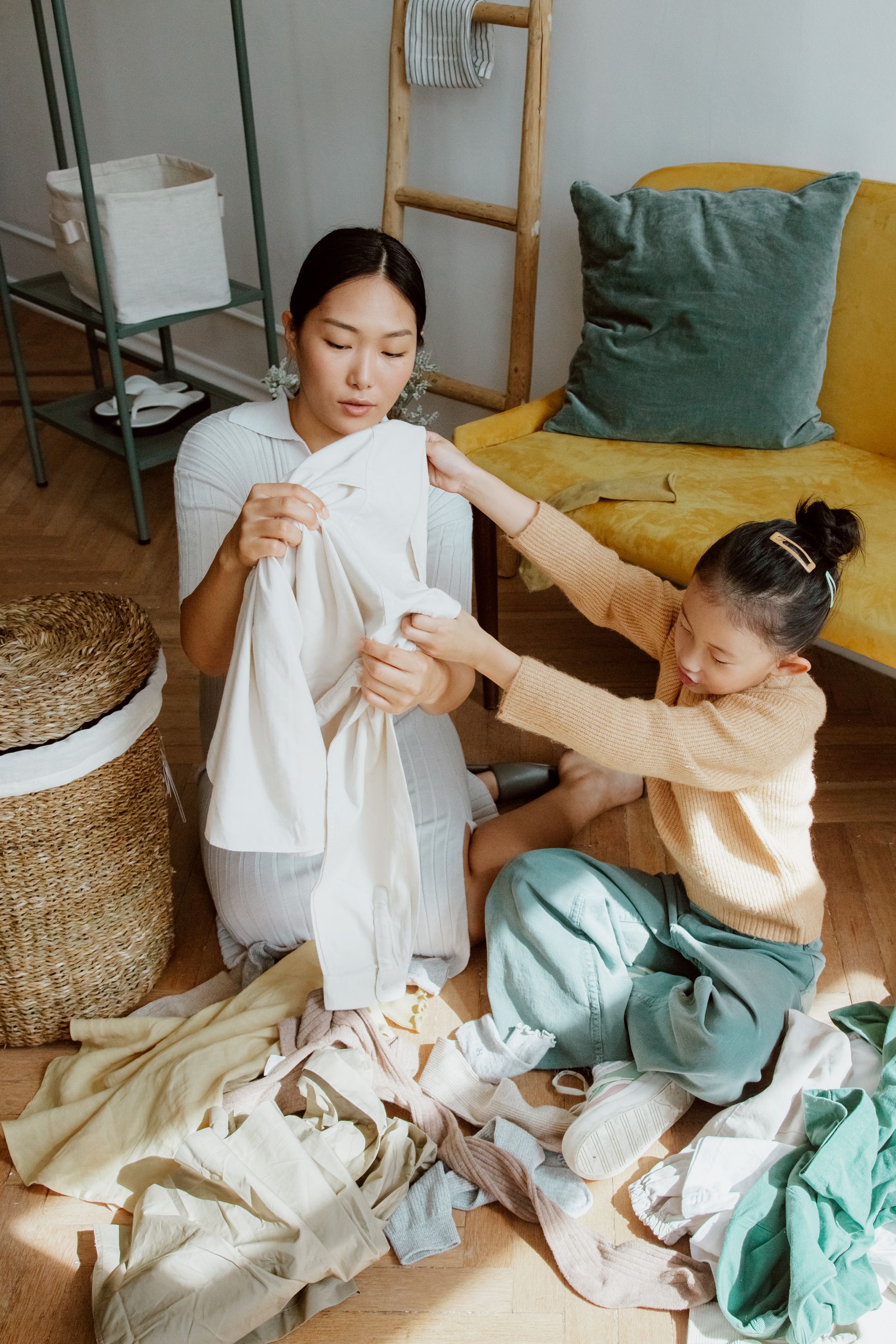
Decluttering isn’t just about getting rid of things — it’s about making space for what matters.
Ask yourself:
• Does this support my goals?
• Does this make my life easier?
• Does this reflect who I’m becoming?
Keep in mind that every item that you bring or keep in your home requires your time, your attention and your space. The more you bring or keep in the house, the larger your inventory and the more complex it becomes to be properly manage it.
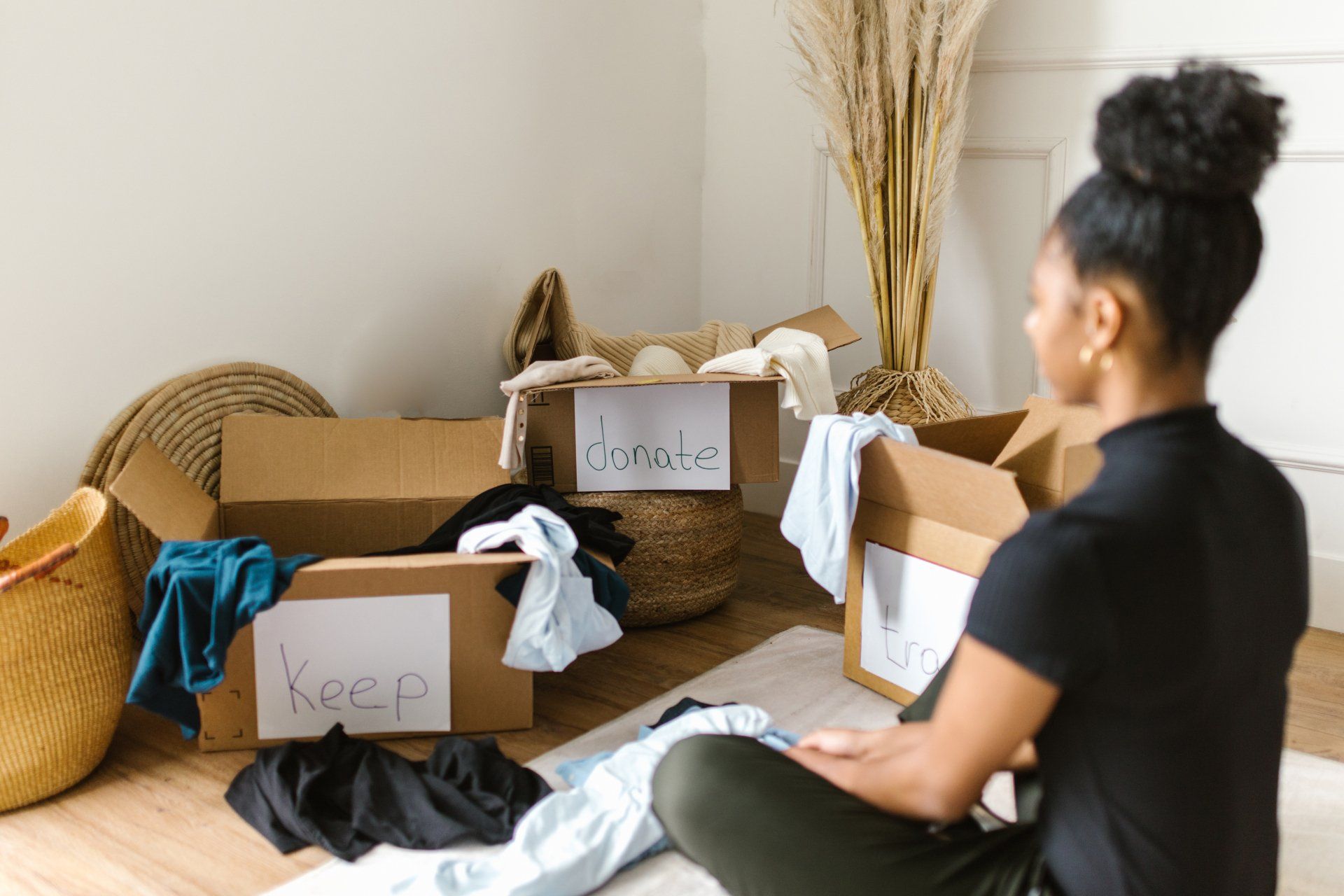
When decluttering, follow the SORT system. SORT stands for Stay, Ofload, Relocate, Trash. As you review your belongings, divide things following the SORT system, and this will allow you to stay focused and on task. Don't leave the room to relocate each item that belongs somewhere else that will distract you. You can deal with the Relocate pile towards the end of your decluttering session.
Pro tip: Create an exit system.
Make sure there is an easy-to-access designated space on each floor of your home for donations. That way, you can start decluttering on the go. Every time you come across something you no longer want, you and the rest of your family can immediately set it up for donations. Without this system, items stay around the house, creating more and more clutter. Once in a while, you collect your donations from all floors and bring them to the donation center or schedule a pickup.
In bedrooms, I recommend a garment bag labeled “Donations.” Hang it in your closet or laundry room. Whenever you find something you no longer need, drop it in.
Phase 2.2 Organize
Now that you know what you want to keep, start organizing those items in categories. Make sure that you don't overcategorize things because that will lead to complications later when trying to maintain your systems.
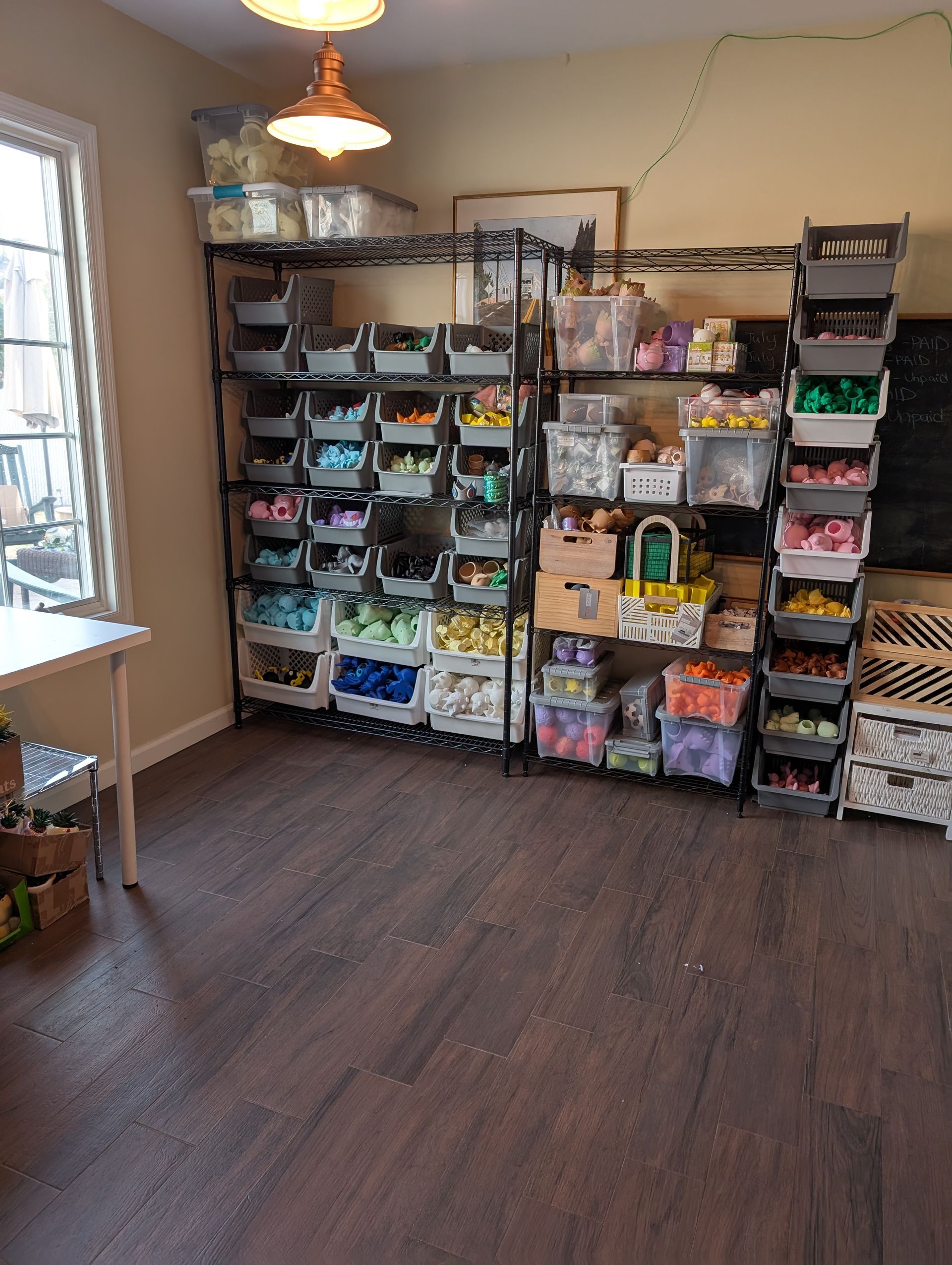
The next step in the process is to "contain" your categories; here is where organizing products come in handy. Use baskets, bins, and dividers to keep like-with-like items together. This step is crucial to make sure your space stays organized for longer.
This is when you start creating supportive systems. What exactly are organizing systems? A system is simply a repeatable way of doing something that makes your life easier.
Examples:
• a paper inbox
• a drop zone for backpacks
• a bin for winter gear
• a charging station
• a donation bag
Systems reduce friction and support your routines. Keep in mind that routines and goals change, so don't expect your systems to last forever, some will, but most won't. Systems need to be reviewed and updated on a regular basis so your home stays in balance.
Phase 2.3 Label
Labels aren’t about aesthetics — they reduce mental load, help everyone participate, and make your systems easier to maintain. When labeling, make sure you use between 1 and 3 words maximum and use a font that is easy for everyone to read. Name the category instead of the items contained in the basket. When labels are too complicated, people tend not to read them, and systems often fail to last.
Phase 3 — Maintain
This is the step most people skip — and it’s why homes get messy again.
Maintenance is about:
• teaching your household the new flow
• building micro‑habits like a 5‑minute nightly reset
• doing a weekly paper review
• resetting seasonally so your home evolves with your life
When your systems match your lifestyle, maintenance becomes natural.
Where Should You Start?
If you’re overwhelmed, start small. Small wins create momentum. In winter, the entryway is a great place to begin — it’s the first and last space you see each day, and it's a space you can reset in an hour or two (maybe less)
Then move to your command center or work area as routines pick back up.
And don’t forget paper and mail — January is the perfect time to reset your paper flow as we prepare for tax season.
A Local Perspective: North Jersey Homes
As a professional organizer serving families in Montclair, Glen Ridge, Bloomfield, Verona, Nutley, and nearby New Jersey towns, I see firsthand how our local homes come with unique challenges:
• older layouts
• smaller entryways
• narrow pantries
• limited storage
• multi‑use spaces
That’s why intentional systems matter so much.
A New Year reset helps these homes feel lighter, calmer, and more functional.
Quick Wins You Can Try Today
These take less than 5 minutes:
• Create a Donation Garment Bag
• Empty and declutter the junk drawer
• Start a paper inbox
• Do a 5‑minute nightly reset
Small steps create big momentum.
Ready for a Home That Supports Your Life?
If you’re in Northern New Jersey and want hands‑on support, I’d love to help you create a home that feels calm, functional, and beautifully aligned with your life.
Follow us on social media for tips and to see the transformations our team creates in New Jersey so you can get inspired!